How Dedicated Fleets Reduce Driver Turnover and Protect Service Stability
May 27, 2026
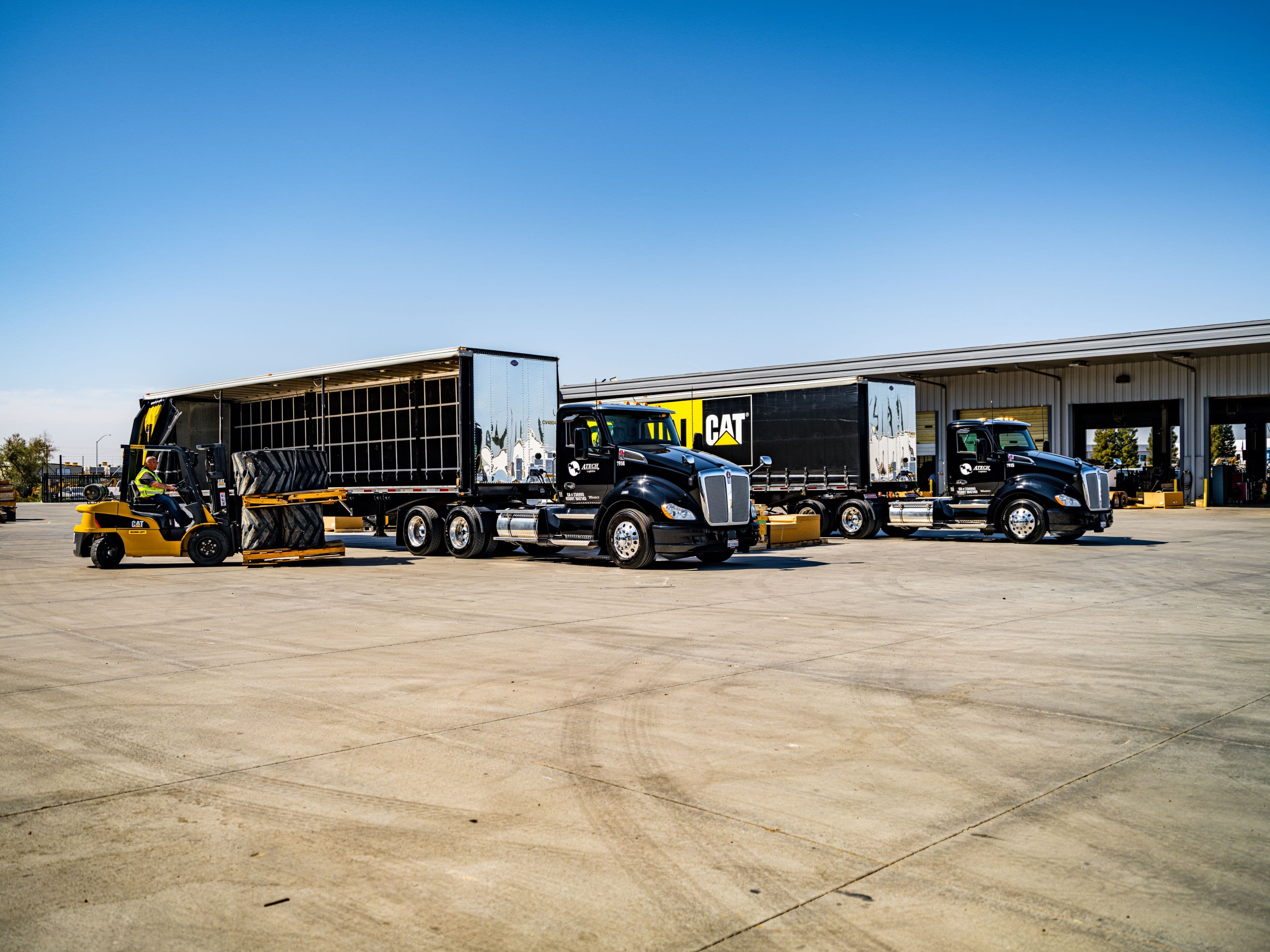
Driver turnover remains one of the most destabilizing forces in transportation. High turnover increases safety exposure, reduces service familiarity, and introduces performance variability.
Dedicated fleet structures reduce turnover by providing stability, repeat lanes, and long-term alignment.
Why Driver Turnover Impacts Service Reliability
When drivers rotate frequently, route familiarity declines. Delivery windows are missed, documentation errors increase, and customer relationships weaken.
Turnover is not just a staffing issue — it is a performance risk.
Transactional Freight and Instability
Spot-market and short-term freight models often expose drivers to inconsistent schedules, irregular lanes, and unpredictable earnings. This instability increases attrition.
How Dedicated Models Improve Retention
Dedicated contracts provide consistent routes, predictable schedules, and long-term driver assignments. Drivers gain familiarity with facilities and customers, increasing job satisfaction and performance confidence.
Safety and Compliance Correlation
Stable driver assignments improve safety performance. Familiar routes reduce decision fatigue, and consistent equipment assignments improve mechanical awareness.
Retention directly supports compliance discipline.
Financial Impact of Turnover
Turnover increases recruitment cost, onboarding expense, training investment, and productivity loss. Service failures tied to new driver onboarding compound financial exposure.
Executive Perspective on Workforce Stability
Leadership teams that prioritize structured dedicated models often experience stronger driver retention, improved service metrics, and lower long-term risk exposure.
Conclusion
Dedicated transportation is not an event — it is an operating system. When executed with structure, discipline, and executive oversight, it becomes long-term infrastructure that strengthens service reliability and reduces exposure.