The Western U.S. Density Advantage: Why Regional Structure Improves Freight Performance
May 13, 2026
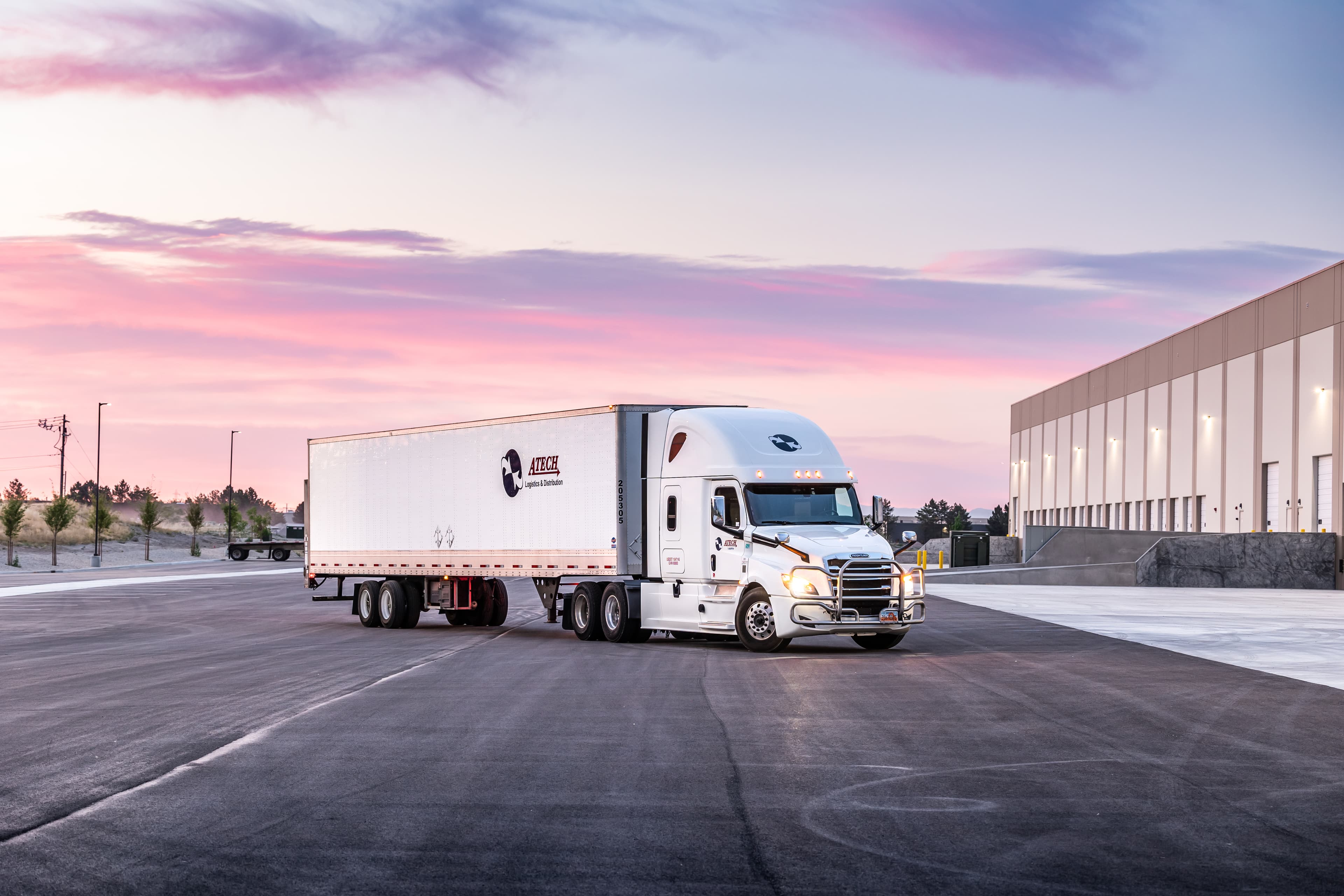
Geography shapes freight performance. In the Western United States, long distances, mountain corridors, weather variability, and multi-state regulatory complexity demand disciplined operational structure.
Regional density is not marketing language — it is a measurable operational advantage.
Defining Western U.S. Network Density
Network density refers to concentrated operational presence across multiple Western states, enabling backhaul alignment, cross-terminal coverage, and rapid equipment repositioning.
A dense regional footprint reduces reliance on third-party handoffs.
Terrain and Corridor Complexity
The Western region includes mountain passes, desert corridors, and long-haul lanes between major metropolitan areas.
Carriers with established regional infrastructure manage these corridors with greater consistency and recovery capability.
Disruption Recovery Advantage
Weather events, traffic incidents, and mechanical issues are inevitable. Regional density enables faster driver swaps, equipment substitution, and backup routing.
Recovery speed directly impacts on-time performance metrics.
Asset Utilization and Cost Stability
Density reduces empty miles and improves trailer repositioning efficiency. Improved asset utilization stabilizes cost structures over time.
Stable cost structures benefit both shipper and carrier through predictable pricing models.
Long-Term Competitive Moat
A disciplined Western footprint across California, Arizona, Nevada, Oregon, Washington, Utah, Colorado, Idaho, Montana, New Mexico, and Wyoming creates structural advantage that transactional providers struggle to replicate.
Conclusion
Organizations that approach transportation structurally outperform those that approach it transactionally. The right model, aligned with freight behavior and regional structure, becomes long-term operational infrastructure — not a recurring sourcing exercise.