Top Dedicated Transportation Industry Trends to Watch in 2026
December 16, 2025
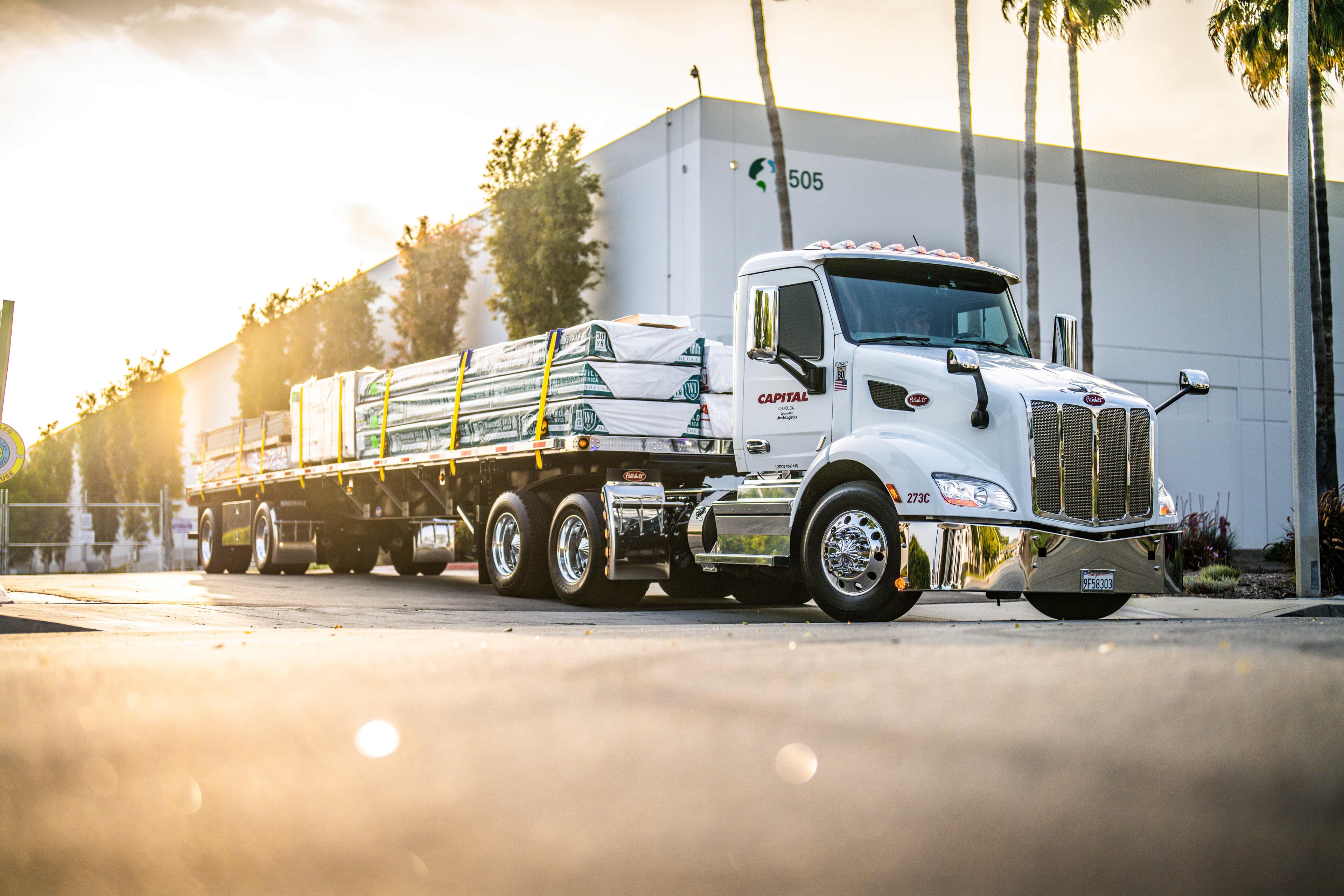
As we look ahead to 2026, the dedicated transportation industry is experiencing meaningful shifts — from smarter technology adoption to deeper collaboration between carriers and shippers. These changes aren’t just theoretical; they’re actively shaping how freight moves, how operations are planned, and how businesses build more resilient supply chains. Understanding these trends helps logistics teams stay competitive, improve service quality, and add long-term value to partnerships.
1. Artificial Intelligence Becomes a Strategic Force
AI is no longer just a tool for basic automation — in 2026 it’s evolving into a strategic resource that drives key decisions across dedicated transportation networks. Rather than simply forecasting or suggesting routes, AI is being used to:
- Predict demand and capacity needs
- Detect patterns in recurring delivery issues
- Assign drivers based on certifications, availability, and route fit
- Optimize fuel usage and reduce idle time
- Enhance safety through data-driven insights
This transition doesn’t replace people — it empowers planners, dispatchers, and drivers with insights that were previously impossible to glean manually, leading to smoother operations and fewer disruptions.
2. Full Digitalization Is Expected — Not Optional
End-to-end digital visibility has become a baseline expectation across shippers and carriers alike. From onboarding drivers digitally to real-time location tracking, automated customer notifications, and centralized dashboards, logistics teams now operate in a truly connected ecosystem.
This digital transparency removes blind spots, reduces manual handoffs, and ensures that data flows seamlessly between stakeholders — giving everyone a clearer picture of operations from pickup to final delivery.
3. Visibility Goes Beyond GPS Coordinates
While real-time GPS tracking used to be cutting-edge, today’s customers want context alongside location data. They want insights into what might impact a shipment — like upcoming weather, traffic trends, delivery window pressures, or equipment conditions in temperature-sensitive loads.
By incorporating predictive insights into visibility tools, carriers and customers can act proactively instead of reacting to problems after they occur. That improves communication, strengthens trust, and enhances overall performance.
4. Practical Sustainability Solutions Gain Traction
Sustainability is no longer just an aspiration — it’s becoming operationally practical. Rather than waiting for large-scale zero-emission fleets, carriers are making achievable changes that have immediate impact:
- Updating equipment for better fuel efficiency
- Using intelligent routing to eliminate empty miles
- Cutting idle time with planning and telematics
- Reducing yard backups and congestion with smarter workflows
- Training drivers on eco-friendly practices
These efforts contribute to lower emissions and support sustainability targets today while laying the groundwork for future advancements.
5. Driver Experience Is a Competitive Advantage
Technology may be advancing logistics, but experienced drivers remain indispensable. In 2026, carriers are enhancing the driver experience by offering:
- More predictable schedules and routing
- Better communication tools
- Continuous training opportunities
- Upgraded equipment designed for comfort and safety
- Reasonable expectations around hours and downtime
A strong driver experience leads to higher retention — which in turn improves reliability and consistency for shippers.
6. Dedicated Partnerships Are Becoming More Strategic
Dedicated transportation is evolving from a transactional service to a strategic partnership. Shippers increasingly expect carriers to:
- Assist with capacity forecasting
- Help identify operational inefficiencies
- Participate in collaborative planning
- Offer insights that improve customer satisfaction
Dedicated carriers aren’t just moving freight — they’re co-planning networks, optimizing performance, and aligning delivery strategy with business goals.