Transportation KPIs That Actually Improve Performance
October 7, 2026
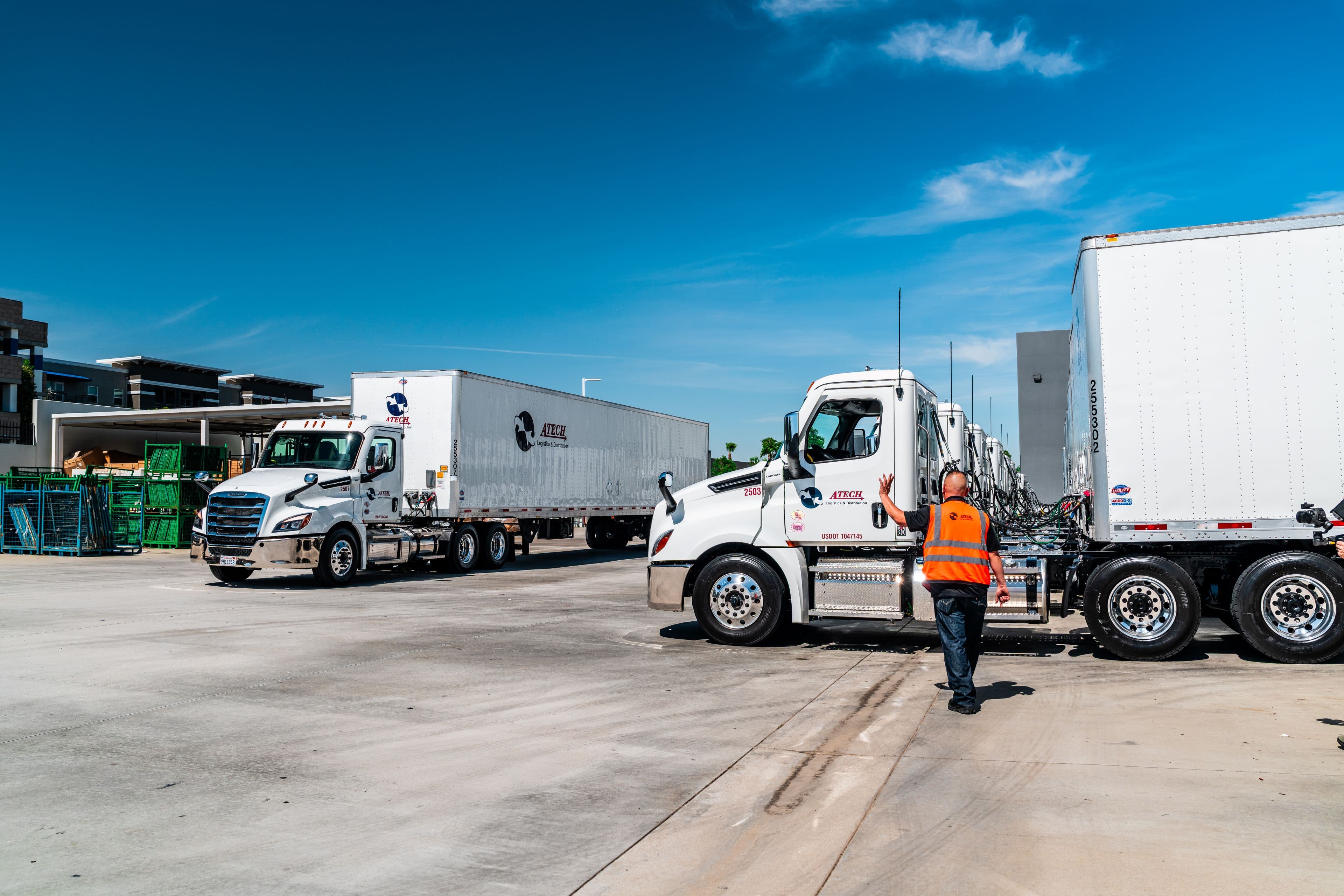
Transportation KPIs only create value when they drive operational accountability. Metrics without ownership often become reporting exercises instead of performance tools. Strong dedicated transportation operations use KPIs to identify operational patterns, improve execution consistency, and strengthen long-term service reliability.
KPIs Should Support Operational Decisions
Delivery performance, safety metrics, communication responsiveness, scan compliance, and route execution data all provide operational insight.
The purpose of KPI reporting is not simply measurement. It is operational improvement.
Effective transportation organizations use reporting to identify trends, improve communication, and strengthen execution consistency.
Consistency Matters More Than Short-Term Peaks
Transportation performance should be evaluated through long-term consistency rather than isolated high-performing periods.
Stable operations reduce volatility across customer supply chains and strengthen planning confidence.
Sustainable execution matters more than temporary spikes in performance.
Visibility Strengthens Accountability
Structured KPI reporting improves accountability across transportation operations.
When expectations are clearly measured and communicated, operational alignment becomes stronger across dispatch, operations, safety, and customer service teams.
Reporting Should Reinforce Communication
Strong KPI reporting improves customer communication by creating transparency around operational performance.
Customers gain confidence when transportation providers communicate consistently and maintain accountability through measurable execution standards.
Operational Discipline Drives Results
Metrics alone do not create operational maturity.
Disciplined execution supported by accountability, communication structure, and operational oversight drives long-term transportation performance.
Conclusion
Disciplined execution supported by accountability, communication structure, and operational oversight drives long-term transportation performance.