When Dedicated Transportation Makes Financial Sense — And When It Doesn’t
March 4, 2026
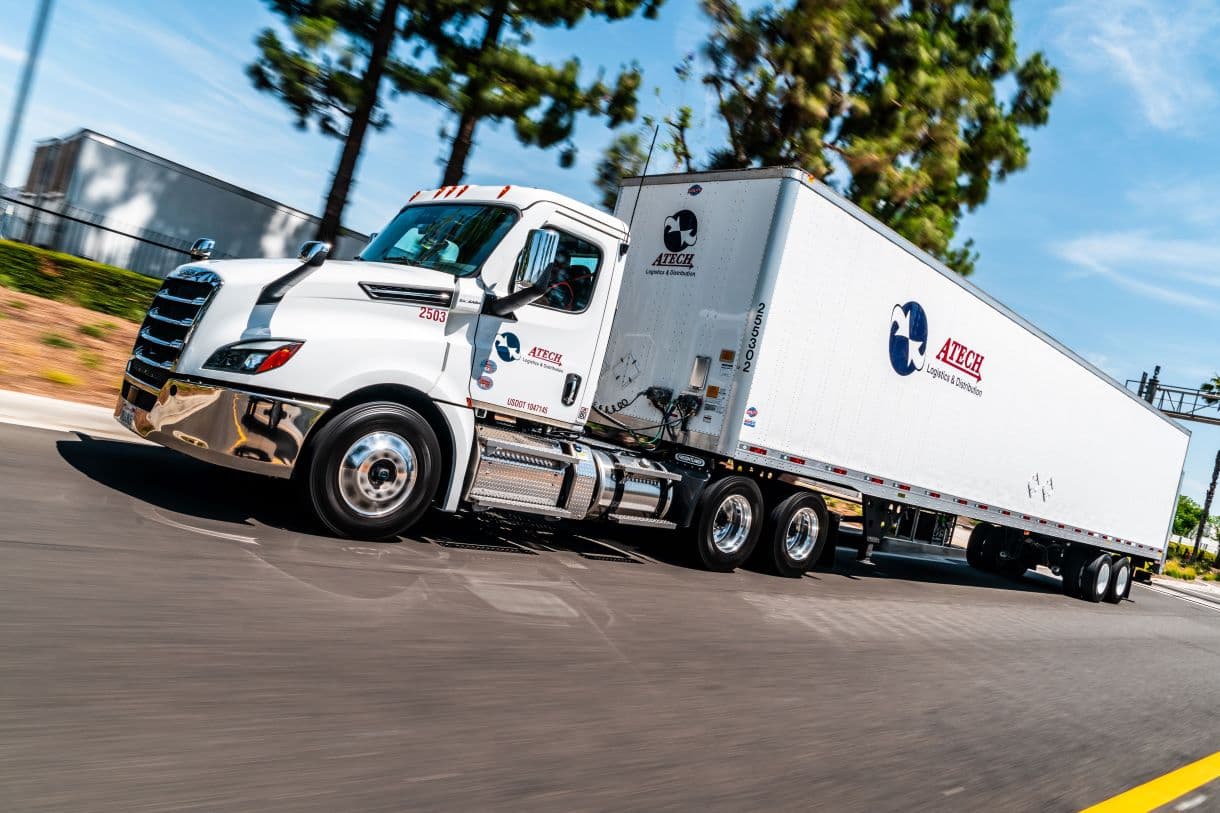
Dedicated transportation is often evaluated through a pricing lens. In reality, it is a leadership decision.
For some organizations, a dedicated fleet becomes an extension of their internal operation — improving stability, reducing risk, and creating long-term alignment. For others, it may not be the right structure.
The difference comes down to freight behavior, risk tolerance, financial visibility, and how much operational responsibility a company wants to carry internally.
Transportation Is Not Just a Cost Line — It’s an Exposure Line
Trucking is one of the most regulated and highest-liability industries in the country. Every shipment involves highway risk, regulatory compliance, driver qualification standards, equipment maintenance obligations, insurance exposure, and potential litigation risk.
When a company operates a private fleet or loosely structured transportation network, that exposure remains internal — from safety oversight to compliance management.
In a properly structured dedicated partnership, operational execution and compliance responsibility shift to a professional carrier whose core competency is managing that exposure every day. That does not eliminate risk, but it transfers execution discipline to specialists.
Understanding the Financial Equation Beyond Rate
Dedicated transportation should not be evaluated solely on cost per mile. Financial impact includes stability of service, cost predictability, risk mitigation, insurance implications, driver turnover impact, and internal management bandwidth.
Unstable transportation models often generate hidden costs: missed deliveries, premium freight, reactive management time, and strained customer relationships.
Dedicated contracts convert variable disruption into structured predictability.
Where Dedicated Transportation Creates Stability
Dedicated fleets work best when freight is predictable and service expectations are high. Industries such as automotive parts distribution, building materials, industrial supply, and grocery distribution depend on repeat lanes and strict delivery windows.
When volumes are stable and expectations are consistent, a structured partnership outperforms transactional coverage by reducing variability and improving accountability.
What a Dedicated Partnership Actually Means
Dedicated does not simply mean assigned trucks. It means drivers who understand your facilities, equipment deployed specifically for your network, clear communication channels, proactive exception management, and shared performance accountability.
It means your transportation provider is not learning your operation for the first time every week.
It also means your internal team is not carrying the daily operational burden of dispatch, driver oversight, and regulatory compliance.
The Liability Conversation Most Companies Avoid
Transportation incidents are rare — but when they occur, they are serious. Carrier selection should consider safety record, compliance discipline, insurance strength, driver hiring standards, and maintenance programs.
Outsourcing to a disciplined dedicated carrier does not simply outsource freight. It outsources exposure management to professionals trained to manage regulatory and safety complexity.
Executive teams should evaluate liability structure with the same discipline as financial metrics.
When Dedicated May Not Be the Right Fit
Dedicated transportation may not make sense when volumes fluctuate dramatically, lane structures change constantly, or transportation is treated purely as a transactional expense.
Networks driven by irregular project freight or highly seasonal demand spikes may benefit more from flexible capacity models.
Structure works best when freight behavior supports repeatability.
Long-Term Alignment and Leadership Discipline
The strongest dedicated partnerships are built on alignment — shared planning cycles, transparency around expectations, long-term contracts, and mutual accountability.
When executed properly, the carrier becomes an extension of your internal team without becoming your internal liability.
Dedicated transportation is not about buying trucks. It is about deciding how much operational responsibility your organization wants to retain versus transfer.
Conclusion
For the right network and the right partner, dedicated transportation reduces variability, clarifies accountability, improves financial predictability, and shifts risk to professionals who manage it every day.
Leadership decisions around transportation structure shape operational performance for years — not quarters.