Why Broker-Dependent Models Break Down in Dedicated Transportation
June 24, 2026
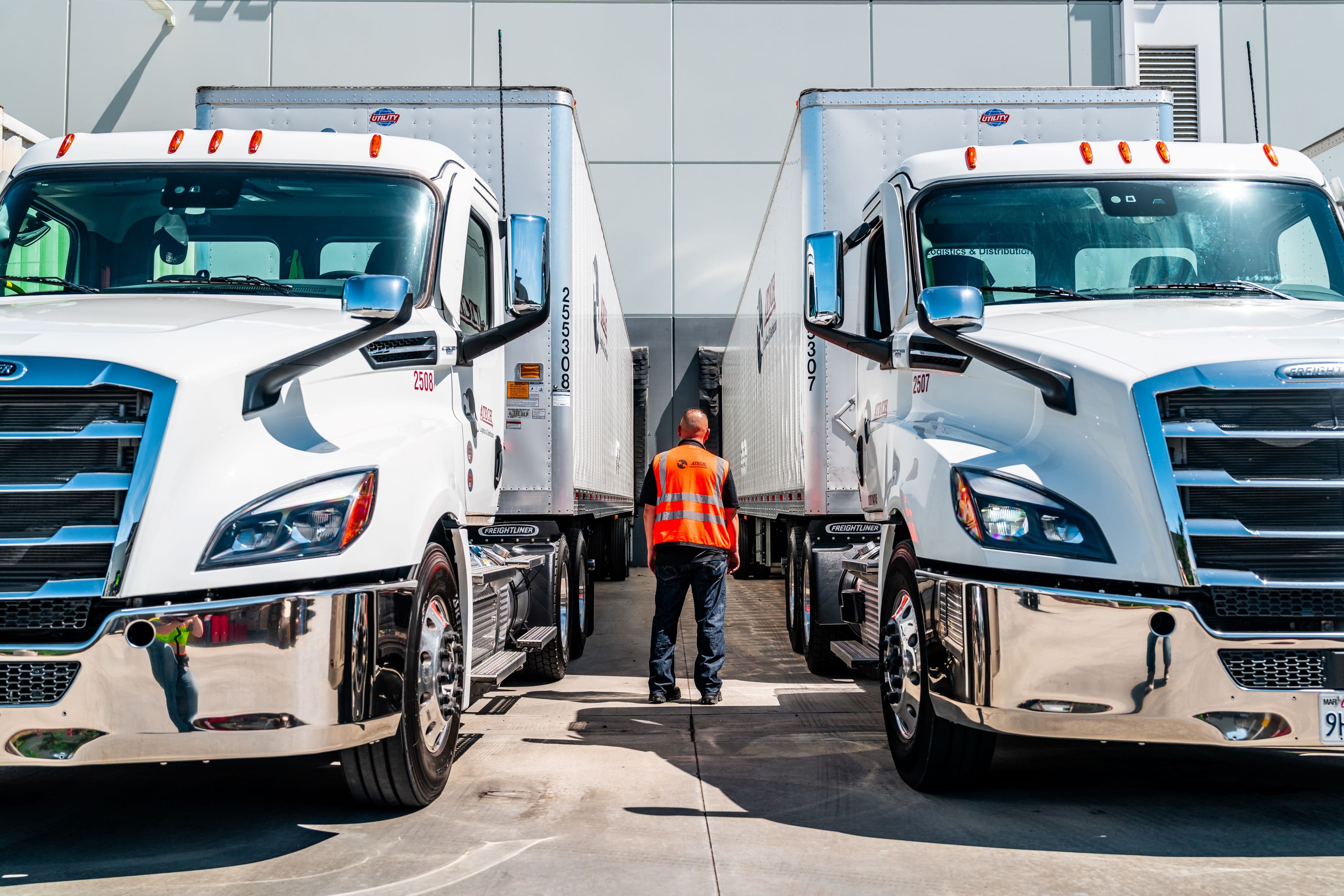
In dedicated transportation, consistency is not optional — it is structural. When mission-critical routes are supported by broker-dependent capacity, variability enters a system that requires control.
When breakdowns occur in dedicated environments, it is rarely due to pricing. It is due to misalignment between operating structure and service expectations.
Why Broker-Supported Dedicated Models Struggle
Broker models are built for transactional freight. Dedicated operations require infrastructure. When the two are blended, service stability begins to erode.
Breakdowns typically occur in four areas:
Driver Familiarity
Dedicated routes depend on drivers who understand dock procedures, yard flow, delivery windows, and escalation contacts. Rotational capacity disrupts that familiarity.
Equipment Alignment
Dedicated freight often requires equipment configured for specific freight types, weight distribution, or route density. Substituted assets introduce inconsistency.
Accountability Structure
When capacity is layered through multiple parties, accountability diffuses. Dedicated models require direct operational control.
Recovery Capability
Service recovery in a dedicated environment requires regional density, backup drivers, and controlled equipment — not spot availability.
Dedicated Transportation Requires Infrastructure
True dedicated operations are engineered systems. They include centralized dispatch, route engineering, maintenance scheduling, technology integration, and executive oversight.
This structure produces predictable performance — not occasional success.
Asset Control Changes the Risk Profile
A 100% asset-based dedicated provider aligns drivers, equipment, and management under one operating structure. Routes are assigned. KPIs are tracked. Recovery plans are built in advance.
Control reduces exposure. Discipline protects service.
Conclusion
Dedicated transportation is not an extension of the spot market. It is long-term operating infrastructure.
When structure, asset control, and executive accountability align, dedicated fleets become stability engines inside the supply chain.